
By Kerry, qualified health coach and personal trainer, and co-founder of LōKAHI Wellness
The short answer: for most people, we suggest three floats within two to three weeks to get started, then once a week if you’re floating for stress, sleep or recovery, or every two to four weeks to keep the benefits going. You’ll feel something after one float. Floating regularly is when it really builds.
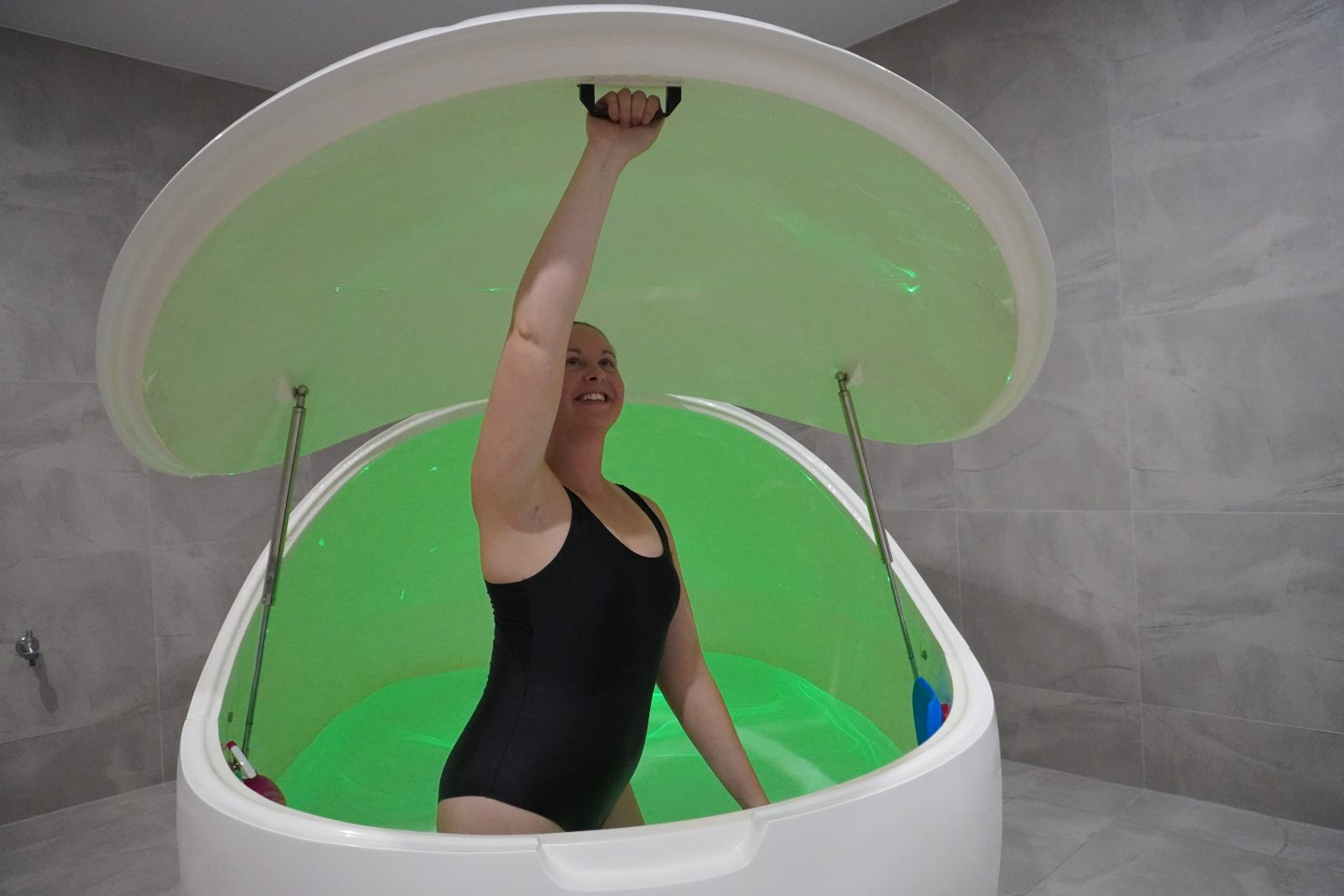
We’ve been running float rooms for eight years, and “how often should I come?” is the question we hear most at the front desk. Here’s the longer answer.
What happens in your first float?
Your first float is a new experience, and your mind treats it that way. You’re working out the room, the salt solution, the lid and the light. Many people spend the first part of the hour just settling.
That’s completely normal. Even so, most people walk out feeling noticeably calmer and lighter than when they came in.
Why is the second float often better?
By your second float, you know what to expect. You know the 500kg of magnesium salts in the salt solution will hold you up. You know where your neck sits and how warm the room feels. So you let go sooner.
Many of our clients tell us the second float is the one where it really clicks. That’s why our intro offer is three floats rather than one.
What changes by the third float?
By the third float, most people have found their own routine. Some like the lid open and the light on. Others prefer complete darkness. You spend less time adjusting and more time in the deep, still part of the float.
This is usually when people start to notice the effects lasting beyond the day itself. They sleep better that night, feel less wound up through the week, or notice their body is less tight.
How often should you float for stress and anxiety?
We suggest once a week, at least to begin with.
The research supports both a quick effect and a building one:
- After a single float: a 2018 study by Dr Justin Feinstein and colleagues gave 50 adults with anxiety and stress-related conditions one hour-long float. It produced a strong reduction in anxiety and a substantial improvement in mood, and the biggest benefit was in the most anxious people. About three in four said it was more relaxing than anything else they had tried.
- After regular floating: a 2016 study by Jonsson and Kjellgren gave 50 adults with generalised anxiety twelve 45-minute floats, twice a week over seven weeks. Their anxiety symptoms dropped, and 37% reached full remission, compared with 14% of the group who didn’t float. Their sleep improved too. Six months later, the gains in anxiety and sleep were still there.
So one float helps. A run of floats close together helps more.
How often should you float for sleep?
Again, once a week is a good rhythm. In the Jonsson and Kjellgren study, the share of people classed as good sleepers rose to 43% in the float group, compared with 27% of those who didn’t float.
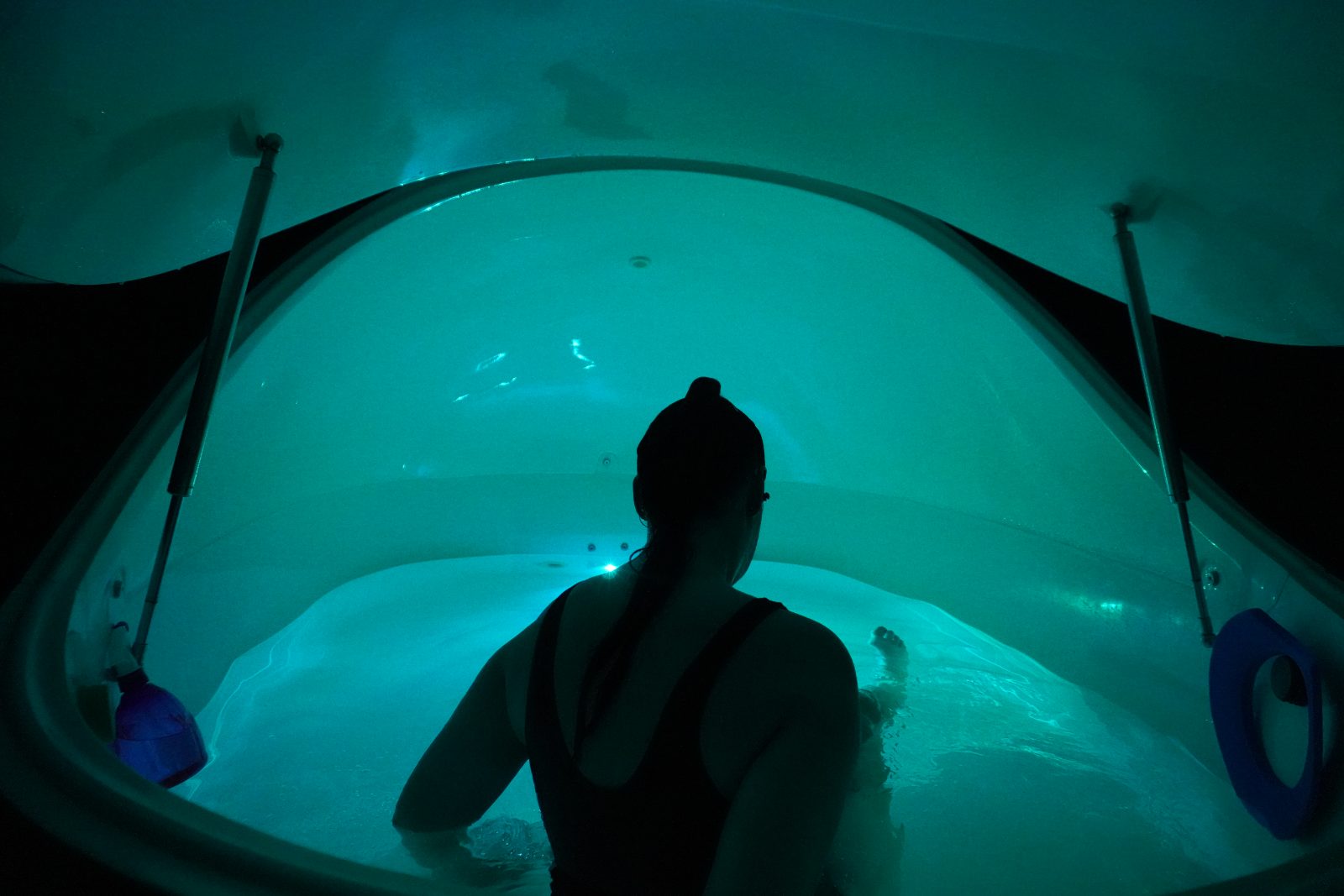
At LōKAHI, many clients book their float in the late afternoon or early evening and tell us they have their best night’s sleep in weeks afterwards. If sleep is your main reason for floating, try booking after 4pm.
How often should you float for muscle recovery and pain?
For training blocks or busy sport seasons, once a week works well. The magnesium-rich salt solution takes the weight off your joints and muscles, so your body can fully let go.
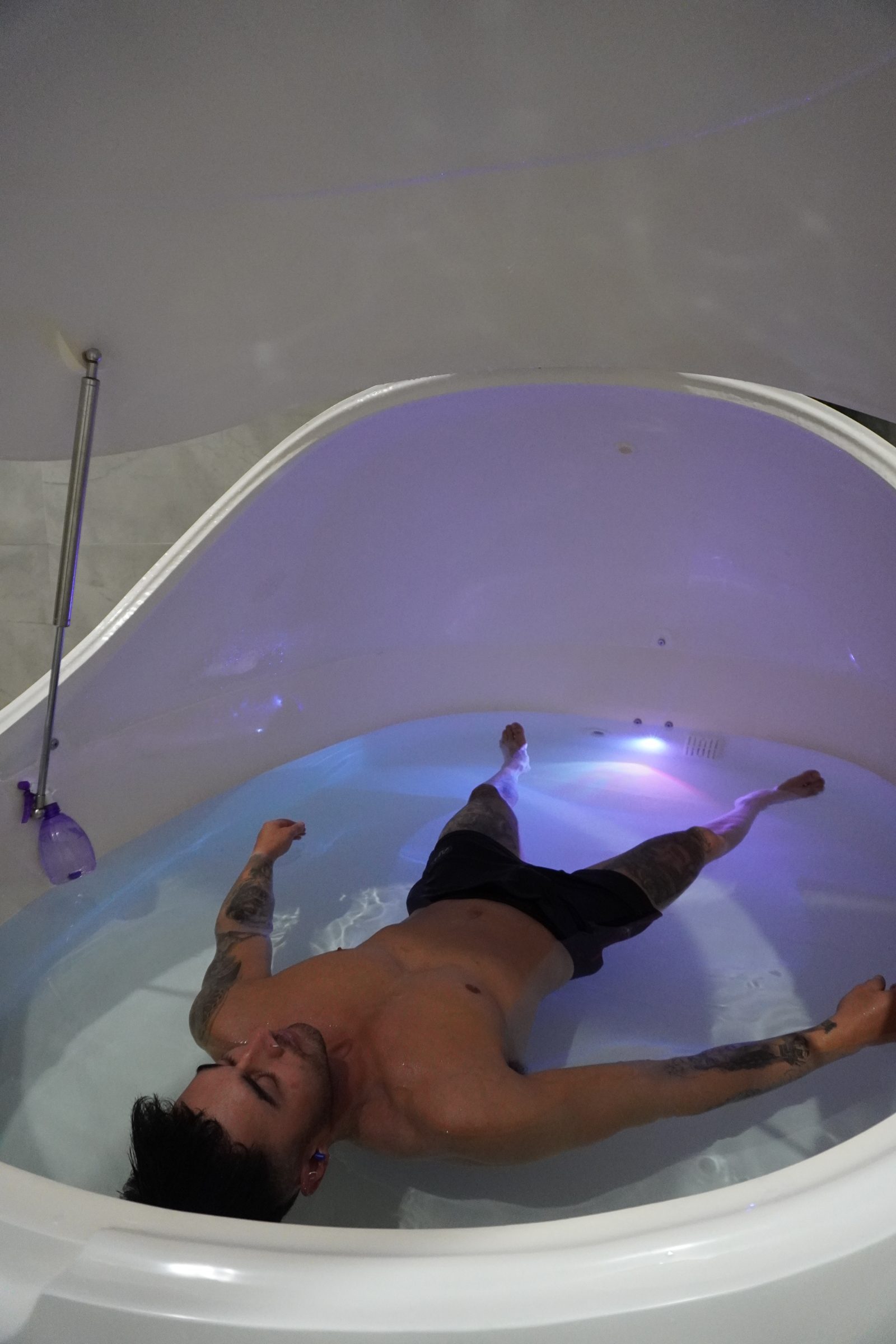
We’re the recovery partner for the Eastern Ranges and the South East Melbourne Phoenix, and our athletes often float the day after a game or a hard session. If you’re managing ongoing pain, floating can be part of a wider plan alongside your physio or doctor.
How often should you float to keep the benefits going?
Once you’ve found your rhythm, every two to four weeks keeps the benefits ticking over for most people. Life gets busy, and a regular float gives you an hour where nobody can reach you.
Can you float too often?
For most healthy people, floating several times a week is fine. Athletes sometimes float two or three times a week during heavy training. Listen to your body, keep up your water, and if you have a medical condition, check with your doctor first.
Make rest a habit, not a reward
Most of us only rest once we’ve earned it, after the jobs are done. In December, the jobs are never done. So the rest never comes.
Try booking rest in like an appointment instead:
- Pick a time and protect it. Twenty minutes counts. Put it in your diary like you would a dentist appointment.
- Make it screen-free. Scrolling feels like rest, but your brain is still working.
- Do the same thing each time. A walk, a bath, a cup of tea on the back step. Repetition is what makes it a habit.
Your nervous system learns from what you do often, not from the occasional big day off. That’s also why regular floats tend to do more than the odd one here and there.
And if you want an hour where nobody can reach you, a float is about as close as it gets.
Quick guide: how often to float
| Your goal | How often | Tip |
|---|---|---|
| Getting started | 3 floats in 2 to 3 weeks | Book all three at once so they’re locked in |
| Stress and anxiety | Once a week | Same day and time each week builds the habit |
| Sleep | Once a week | Book after 4pm |
| Muscle recovery and pain | Once a week, or the day after big sessions | Pair with red light for The Reset |
| Maintenance | Every 2 to 4 weeks | Pop your next float in the diary before you leave |
Frequently asked questions
How long is a float?
At LōKAHI, each float is 60 minutes in a private float room.
Do I need to bring anything?
No. We provide towels, shampoo, conditioner, body wash, dressing gowns and hair dryers, and there’s plenty of parking out the front.
Can I float if I can’t swim?
Yes. The salt solution holds you up on its own, so there’s no swimming involved.
Is one float enough to feel a difference?
Most people feel calmer after one float. Research shows a single float can reduce anxiety and lift mood straight away. The bigger, longer-lasting changes tend to come from floating regularly.
What’s the best time of day to float?
For sleep, late afternoon or evening. For focus or a mental reset, any time that suits you. Many people find a weekend morning float sets them up for the week.
What does it cost to try?
Our intro offer for first-time floaters is three 60-minute floats for $159.
Start with three
If you’ve been thinking about floating, give yourself three floats before you decide what you think. That’s when most people really feel the difference.
Book your first three floats or call us on 03 9761 7037. Not sure if floating suits you? Book a free wellness consult and we’ll help you work it out.
Read more: The Ultimate Guide to Float Tank Therapy · Float Tank Therapy for Stress and Anxiety · Floating Through Perimenopause
LōKAHI Wellness doesn’t treat or diagnose any condition. We help support you to feel better. This article is general information only and isn’t medical advice.
Sources
- Feinstein JS et al. (2018). Examining the short-term anxiolytic and antidepressant effect of Floatation-REST. PLOS ONE.
- Jonsson K and Kjellgren A (2016). Promising effects of treatment with flotation-REST for generalized anxiety disorder: a randomized controlled pre-post design. BMC Complementary and Alternative Medicine.
