By Kerry Thurrowgood, owner of LōKAHI Wellness, qualified personal trainer and qualified health coach
Perimenopause can be a big season of change. Sleep gets patchy, stress feels harder to shake off, and your body can start to ache in ways it never used to. Many of the women who float with us are right in the middle of it, so we wanted to share what floating is, what the research tells us, and how it might fit into looking after yourself through this time.
What is perimenopause?
Perimenopause is the transition leading up to menopause. It runs from when your periods start to change, or menopausal symptoms begin, until 12 months after your final period. In Australia it usually starts around age 47 and lasts four to six years on average, although for some women it is shorter or longer (Jean Hailes for Women’s Health).
Alongside changing periods, hot flushes and night sweats, Jean Hailes lists effects on sleep, mood and mental health, memory and concentration, and muscle and joint aches among the common experiences.
What happens in a float?
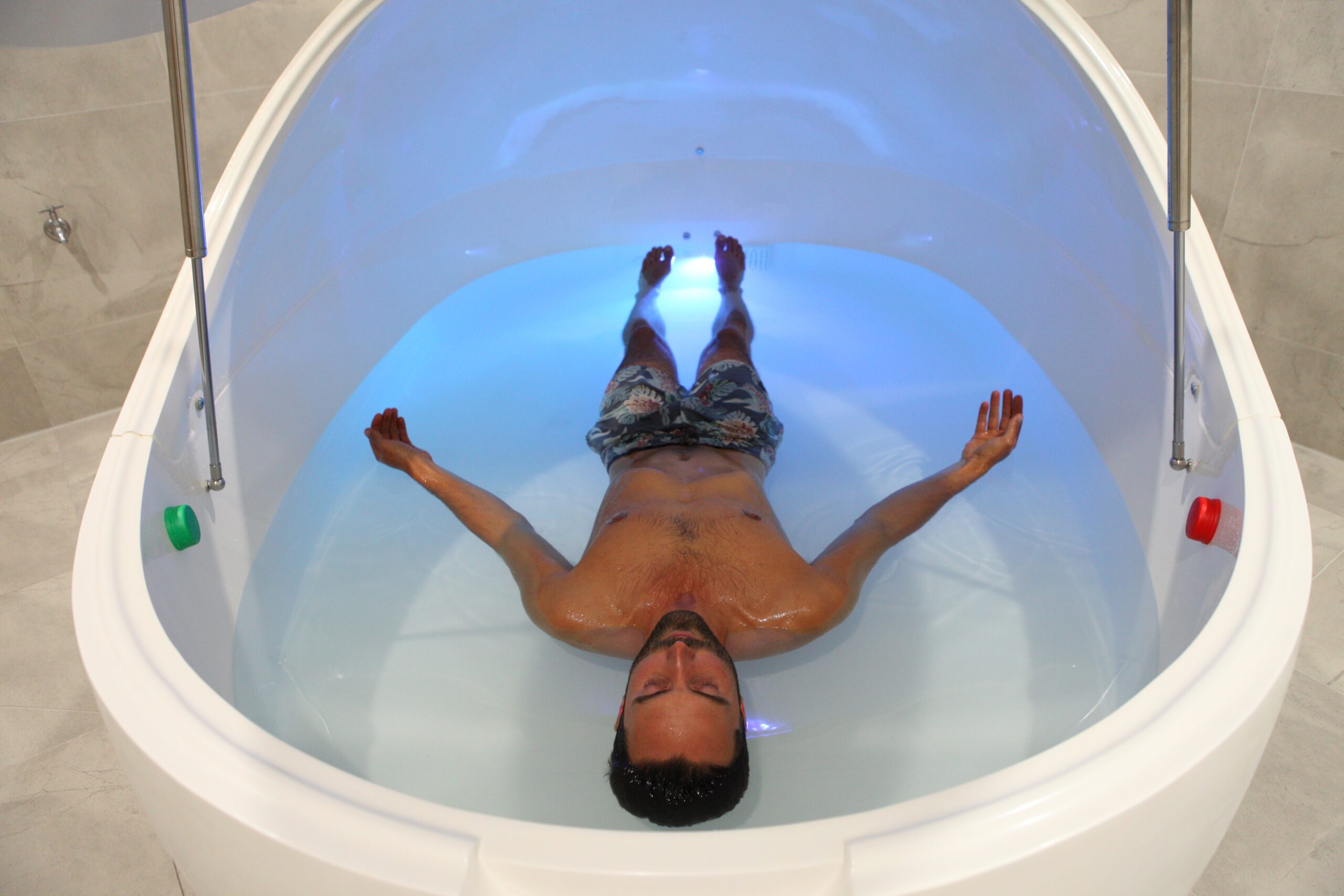
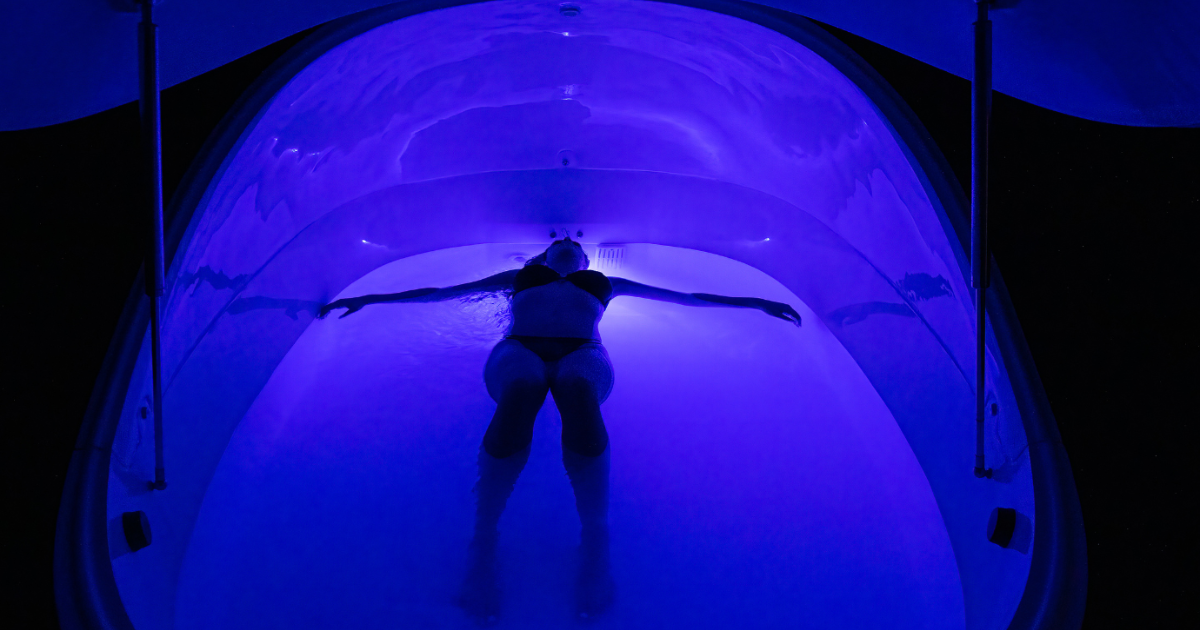
You lie back in a private float pod filled with a warm salt solution made with a high concentration of Epsom salt (magnesium sulfate). The salt means you float effortlessly on the surface. Light and sound are reduced, so there is very little for your brain and body to process. Most of our floats are 60 minutes, and you can choose soft music and lighting or complete quiet and darkness.
What does the research say about floating?
There is a growing body of research on floating, which researchers call flotation-REST (Reduced Environmental Stimulation Therapy).
- Stress and anxiety: In a 2018 study of 31 adults with anxiety, a single 90-minute float led to larger drops in anxiety and muscle tension, and larger increases in feelings of relaxation and serenity, than a comparison session watching a nature film. Blood pressure also fell during the float (Feinstein and colleagues, 2018).
- Ongoing anxiety: A small Swedish pilot trial in people with generalised anxiety disorder found encouraging results after a series of floats (Jonsson and Kjellgren, 2016).
- Sleep and muscle tension: The same research group at Karlstad University reports that people tend to sleep better after floating and feel less pain from chronic muscle tension.
The research above looks at stress, anxiety, sleep and muscle tension, which are some of the things many women notice more during perimenopause.
How floating may support you through perimenopause
We do not treat perimenopause. What we do is help people feel better, and these are the reasons women tell us they keep coming back:
- A real break from the mental load. For an hour there are no phones, no requests and nothing to organise.
- Winding down for sleep. Many clients book an evening float and tell us they sleep more deeply that night.
- Easing achy muscles and joints. Floating takes the weight off your body, which many people find very relaxing for a sore back, hips or shoulders.
- Time that is just for you. Perimenopause often lands at a busy time of life, and a regular float is a simple way to put yourself on the list.
Is floating safe for me?
Floating is gentle, but it is not for everyone. Healthy WA advises against floating if you have epilepsy, kidney disease, low blood pressure, open wounds or skin ulcers, or claustrophobia. It recommends checking with a health practitioner first if you are pregnant or have a heart condition, asthma, a severe skin condition, or a sensitivity to magnesium sulfate (Healthy WA). Avoid floating straight after shaving, and never after alcohol or sedating medication.
If you tend to run hot or have flushes, let us know when you arrive and we will talk you through how to make your float comfortable.
When to see your GP
Floating is not a substitute for medical care. Jean Hailes recommends seeing your doctor if you feel very tired or exhausted, if you are under 45 and your periods have become irregular or stopped, if symptoms are affecting your work, relationships or quality of life, or if you are worried about your emotional or mental health. Your GP can talk you through the full range of options, including treatments we do not offer.
Thinking about trying a float?
If you are not sure where to start, book a free 15 minute wellness consultation and we will help you work out what feels right for you. First-time floaters can also try our intro offer of three 60 minute floats for $159, so you can see how your body responds over a few sessions.
This article is general information only and is not medical advice. Please speak with your doctor about your own health.